

As an auto technician, I understand a car revving while in park can be alarming. Vehicles are complex machines and this unintended acceleration signals something is amiss. This article explores what causes a car to accelerate on its own from idle. Let”s get to it!
Quick Overview: Car Revving in Park
| Aspect | Details |
|---|---|
| Effects | Engine wear, increased fuel consumption, higher emissions, potential damage to engine parts |
| Common Causes | Malfunctioning IAC valve, vacuum leaks, throttle issues, ECU problems |
| Fixes | Cleaning/replacing IAC valve, repairing vacuum leaks, servicing throttle body, ECU reprogramming/repair |
| Preventive Measures | Gradual engine warming, regular maintenance, monitoring of engine behavior |
Engine Revving Explained
Revving refers to the engine running at a higher RPM (Revolutions Per Minute) than usual. In a stationary position, like when parked, this can be unusual and indicate underlying issues.
Normal vs. Abnormal Revving: While it’s normal for a car’s RPM to fluctuate slightly, revving noticeably without driver input is abnormal and warrants investigation.
Car Revving in Park Possible Causes
1. Faulty Idle Air Control (IAC) Valve
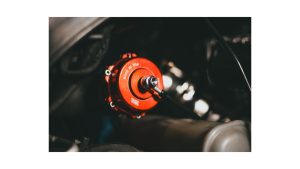
The Idle Air Control (IAC) valve functions by adjusting the volume of air that circumvents the throttle plate, thereby influencing the engine’s idle speed.
When faulty, the IAC valve may cause the idle speed to be too high or low. Specifically, erratic or high idle speeds can result which causes the engine to unexpectedly rev.
A malfunctioning IAC valve could lead to an idle speed that is higher or lower than desired, rather than maintaining the proper steady idle speed. This can create performance issues as well as safety concerns if the engine RPMs fluctuate wildly instead of idling smoothly.
2. Vacuum Leaks
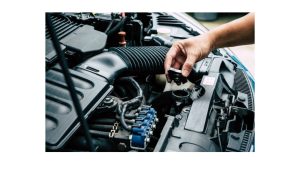
Vacuum leaks occur when there is a breach in the intake manifold or vacuum hoses, allowing extra air to enter the engine.
The introduction of this unmetered air upsets the air-fuel mixture balance since the engine computer is unable to compensate properly, leading to higher RPMs and unintended revving.
These vacuum leaks can often be identified by listening for a hissing sound near the breach or through smoke tests.
In a smoke test, smoke is blown into the intake system and then leaks are identified visually by watching where smoke escapes.
The smoke test can accurately pinpoint the location of any leaks in the intake components or hoses so they can be properly repaired to restore smooth engine operation and intended idle speeds.
Overall, even small vacuum leaks can impact RPMs and cause unintended acceleration issues. But these breaches can be located and fixed to resolve imbalance in the air-fuel ratio.
3. Throttle Issues
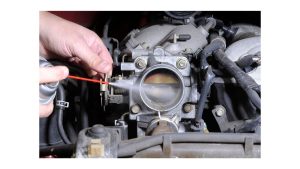
The throttle body is responsible for regulating the volume of air entering the engine. Problems with the throttle body can lead to unintended acceleration episodes.
Issues like buildup of dirt inside the throttle body or malfunctioning components inside it can restrict air flow incorrectly at idle or various speeds. This interrupts the carefully balanced air-fuel ratio.
In vehicles with mechanical throttle control, the cables connecting the gas pedal to the throttle can also develop problems like stickiness or damage. Sticky throttle cables fail to spring back into idle position as intended.
Damaged cables may provide unintended throttle input to the engine.
Both throttle body problems and sticky throttle cables can translate poor throttle signals that cause sudden unintended acceleration. Getting the throttle body cleaned and serviced or the throttle cables repaired can often resolve these uncontrolled revving issues.
But the underlying airflow or mechanical problems have to be properly identified and fixed first.
4. Sensor Malfunctions
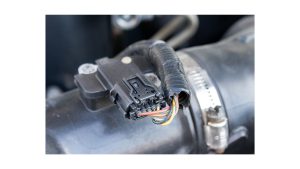
There are two critical sensors that can severely impact engine operation and idle if faulty – the throttle position sensor (TPS) and mass airflow (MAF) sensor.
The TPS monitors the precise opening angle of the throttle at all times and signals this to the engine computer.
Simultaneously, the MAF sensor measures the volume of air flowing into the engine on a real-time basis. The engine computer relies on accurate readings from both these sensors in order to deliver the precise air-fuel mixture to achieve intended engine speeds.
If either sensor suffers problems and sends incorrect data, the engine computer has no way to know it is getting faulty readings.
It will then end up supplying too much or too little fuel for the incoming air, disrupting the intricately balanced air-fuel ratio. Even tiny errors in these sensor readings can quickly compound and lead to sudden unintended acceleration incidents where engine RPMs surge unexpectedly higher.
Replacing a damaged TPS or cleaning the MAF sensor can fix the car revving in park issue,
5. ECU (Engine Control Unit) Problems
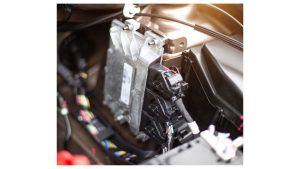
The engine control unit (ECU) serves as the vehicle’s brain, closely monitoring a myriad of sensor inputs in order to manage precise engine performance at all times.
This sophisticated onboard computer analyzes throttle position, mass airflow, oxygen levels, fuel trim, and countless other parameters in order to dictate the specific air-fuel mixture that should be delivered based on operating conditions.
However, the complexity of these engine computers also means that software glitches, bugs, or hardware failures can severely disrupt critical operations.
Any errors or malfunctions within the ECU can lead to completely unpredictable and erratic engine behavior.
Even small programming issues can get amplified over time and ultimately translate into sudden unintended acceleration incidents, where engine RPMs surge unexpectedly higher.
Diagnosing ECU faults requires advanced computer diagnostic systems, but when identified can explain unexpected acceleration and allow the problems causing random revving episodes to finally be fixed.
Why Your Car Revving on Its Own is a Serious Matter
Engine Wear and Tear:
Revving an engine in park can cause excessive wear, particularly if the engine is cold. Engines need time to warm up and lubricate fully. Revving a cold engine can cause premature wear on vital components.
Fuel Consumption:
Increased RPMs lead to higher fuel consumption. While revving in park for a short period may not significantly impact fuel economy, habitual revving can lead to wasteful fuel usage.
Emission Increases:
Revving causes increased exhaust emissions. This increase is more significant in older vehicles that lack modern emission control technologies.
Potential Damage to Engine Parts:
Components like the transmission and motor mounts can be stressed when revving in park, especially if the engine reaches very high RPMs.
Getting to the Root Cause
When an engine unexpectedly revs while in park, it is critical to diagnose the underlying issue. A good first step is to check if the check engine light is illuminated.
The on-board diagnostics system will often detect problems that lead to revving and generate a diagnostic trouble code. These codes can be read by plugging an OBD2 scanner into the vehicle – allowing you to see if faulty sensors may be contributing to surging RPMs.
Another beneficial tactic is a thorough visual inspection, listening intently for any signs of trouble. Check for damaged cables like throttle linkages that may be sticking.
Inspect all hoses for deterioration and leaks – worn vacuum system components can impact idle too. Listen closely for hissing sounds which signal vacuum breaches. Leaks introduce unwanted air which disrupts the vehicle’s carefully calibrated systems.
Finally, certain stubborn issues like transmission malfunctions require professional diagnosis.
Problems within the engine computer or transmission itself involve complex interactions best assessed by those with advanced diagnostic capabilities only shops provide. Getting to the true root cause efficiently dictates tapping into their expertise if needed.
Solutions and Fixes
- Idle Air Control Valve Cleaning/Replacement: If the IAC is dirty or faulty, cleaning or replacing it can resolve the issue.
- Fixing Vacuum Leaks: Identifying and sealing any leaks in the intake system can normalize idle speed.
- Throttle Body Cleaning/Repair: Cleaning or repairing the throttle body and associated components can ensure proper idle control.
- Sensor Replacement: Replacing malfunctioning sensors can restore normal engine function.
- ECU Reset or Repair: Sometimes, resetting the ECU can clear glitches. In severe cases, ECU repair or replacement might be necessary.
References
https://www.cars.com/articles/what-does-rpm-mean-in-cars-1420697442798/
https://www.thedrive.com/maintenance-repair/37280/idle-air-control-valve